
teachín: Irish for a little house, a cottage
Inside a traditional Irish cottage: hearth, half-door and settle bed
The short answer
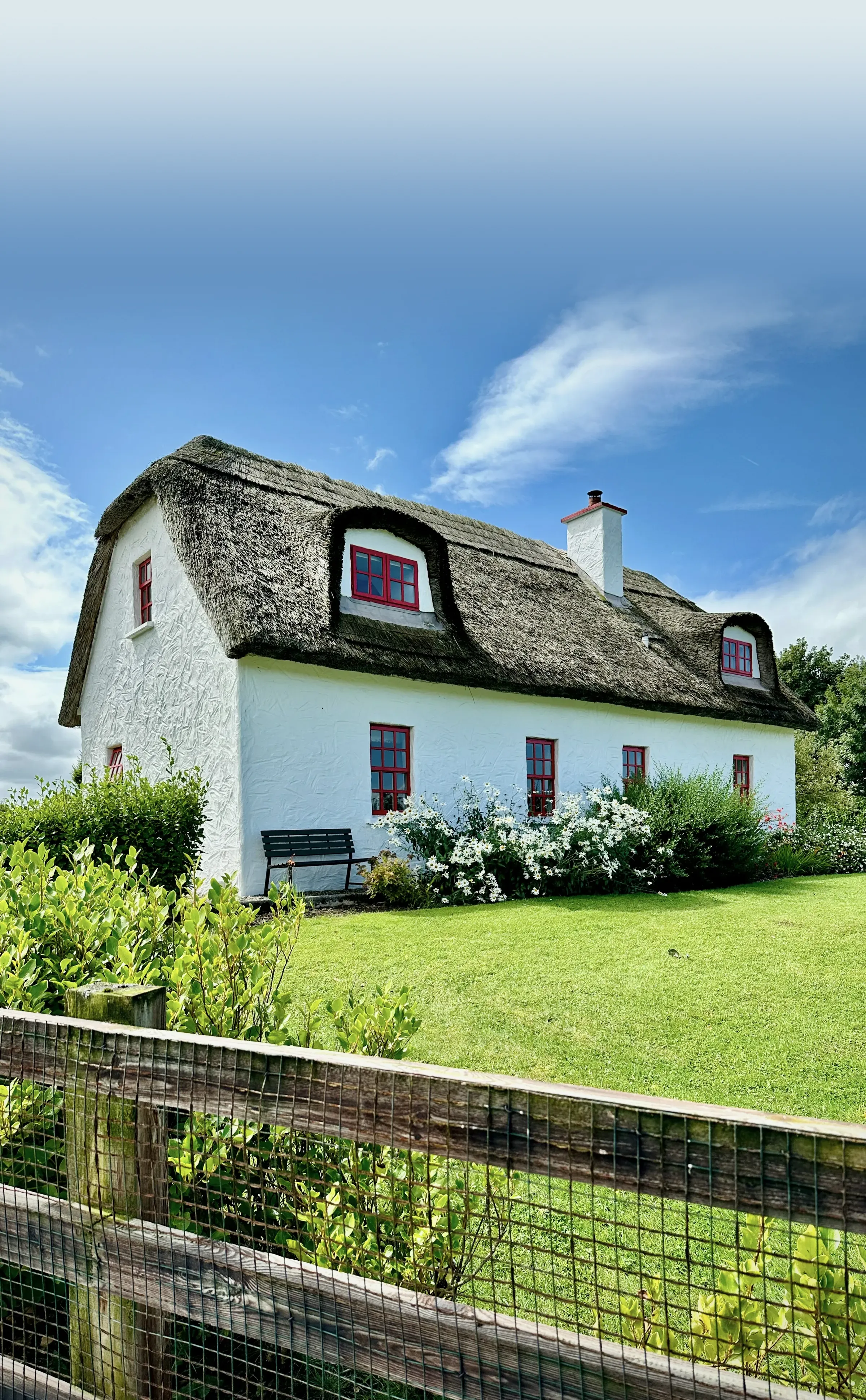
A traditional Irish cottage was a long, single-storey house with the kitchen and its hearth at the centre and a bedroom at the far end. A settle served as a seat by day and a bed at night, an outshot bed sat beside the fire, and the walls were limewashed inside and out.
Rural life, collected
1850–1950the period covered by the National Museum of Ireland's Country Life galleries
- Bunratty Folk Park30+ buildings, 26 acres
- Country LifeTurlough Park, Co. Mayo
How was a traditional Irish cottage laid out?
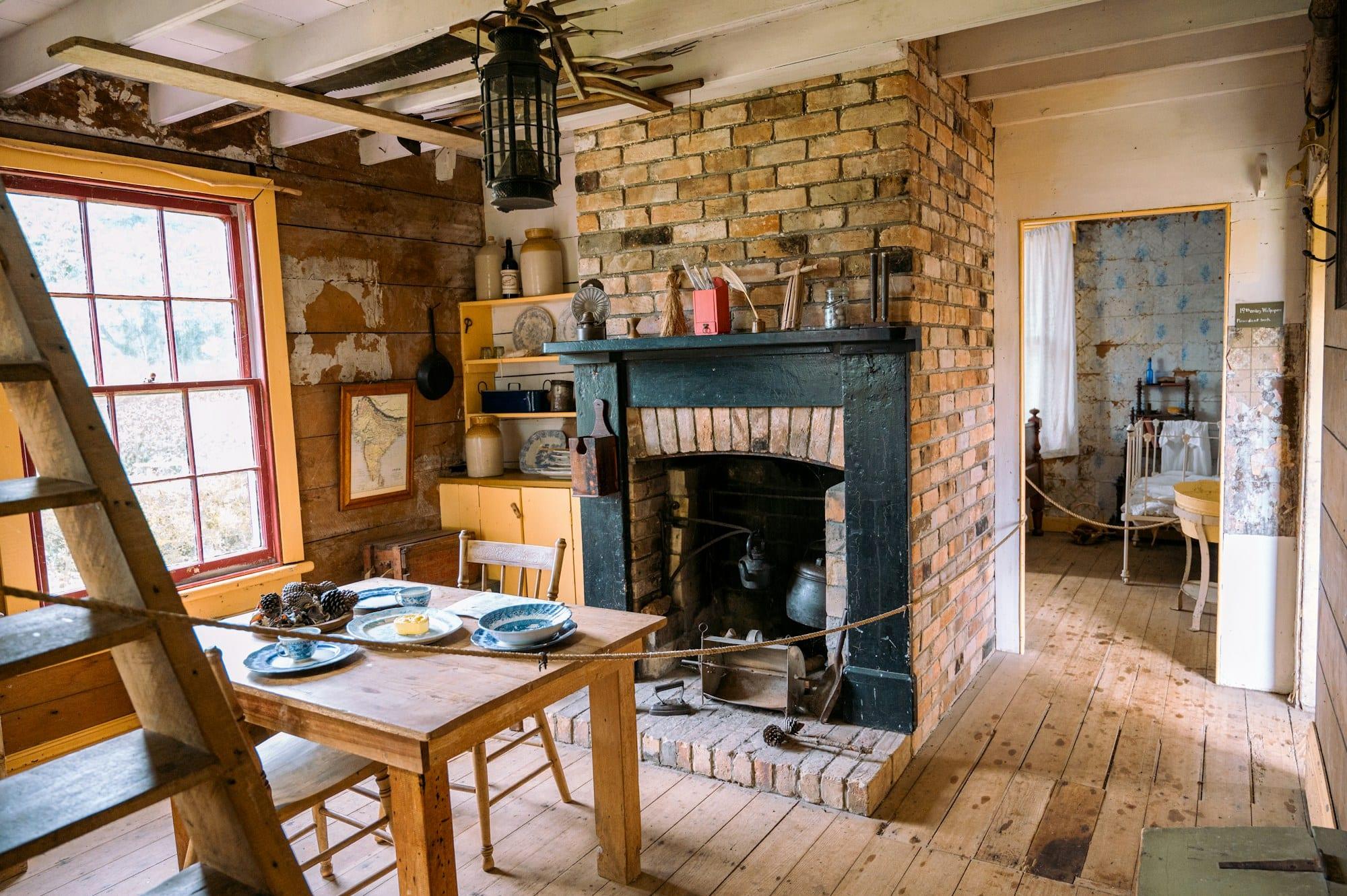
The National Museum of Ireland describes the kitchen and living area at the centre of the house, with a bedroom at the far end. Some houses also had a parlour, or good room, for the family’s best possessions and important visitors. Front and back doors often faced each other across the kitchen.
Why was the hearth the centre of the Irish cottage?
The hearth was where food was cooked, where the house was heated and where the family gathered, so the kitchen around it was the main room. The Department’s thatch guide notes that houses kept fires burning more or less permanently, and that opposite doors in the west and north helped control the draught.
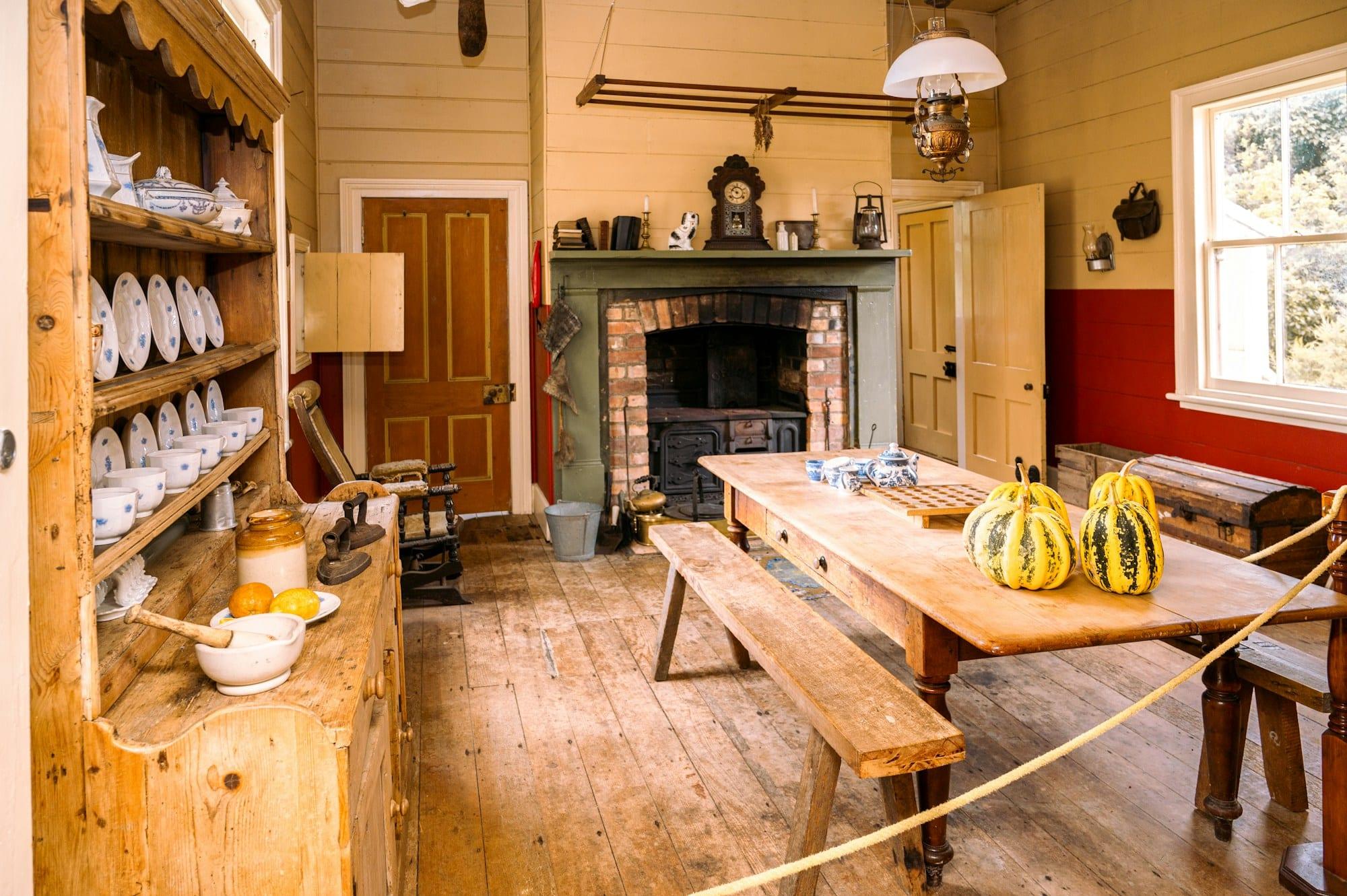
What were the settle bed, press bed and dresser?
The settle was a long wooden seat by day that opened into a bed at night. The press bed folded away into a cupboard during the day, saving space. The dresser stood against the kitchen wall with the household’s plates and jugs on display. All three made a small house work for a large family.
The settle and press bed are described in the National Museum of Ireland’s traditional architecture notes, which also record the outshot bed beside the hearth for the eldest of the household. See the glossary for these and other words of the house.
What is an Irish half-door for?
A half-door is split across the middle, so the top leaf can stand open while the bottom leaf stays shut. That lets light and air into a dark kitchen with small windows while keeping hens, dogs and small children where they belong, and it made a natural place to lean and talk.
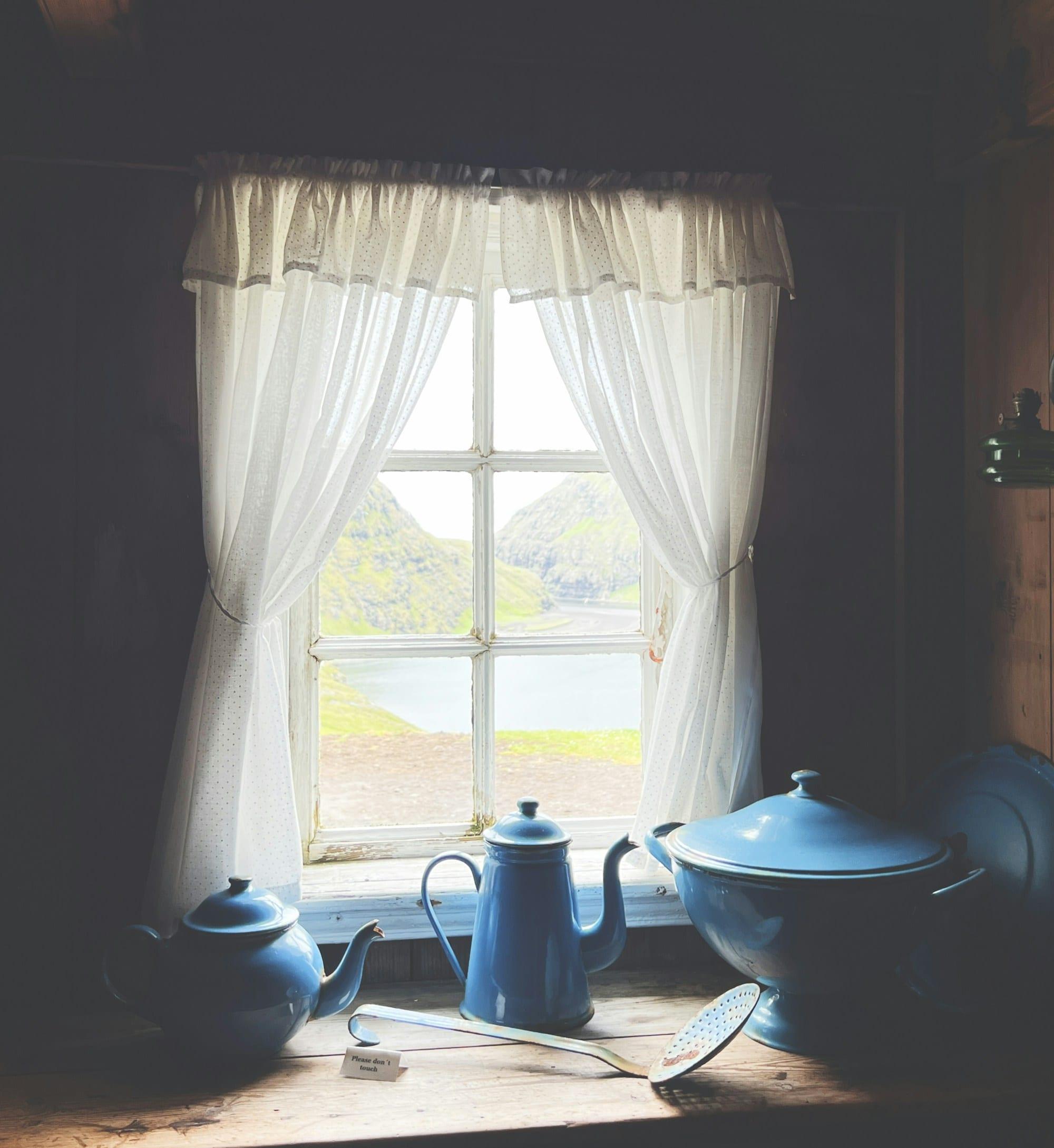
Did Irish cottages differ by region?
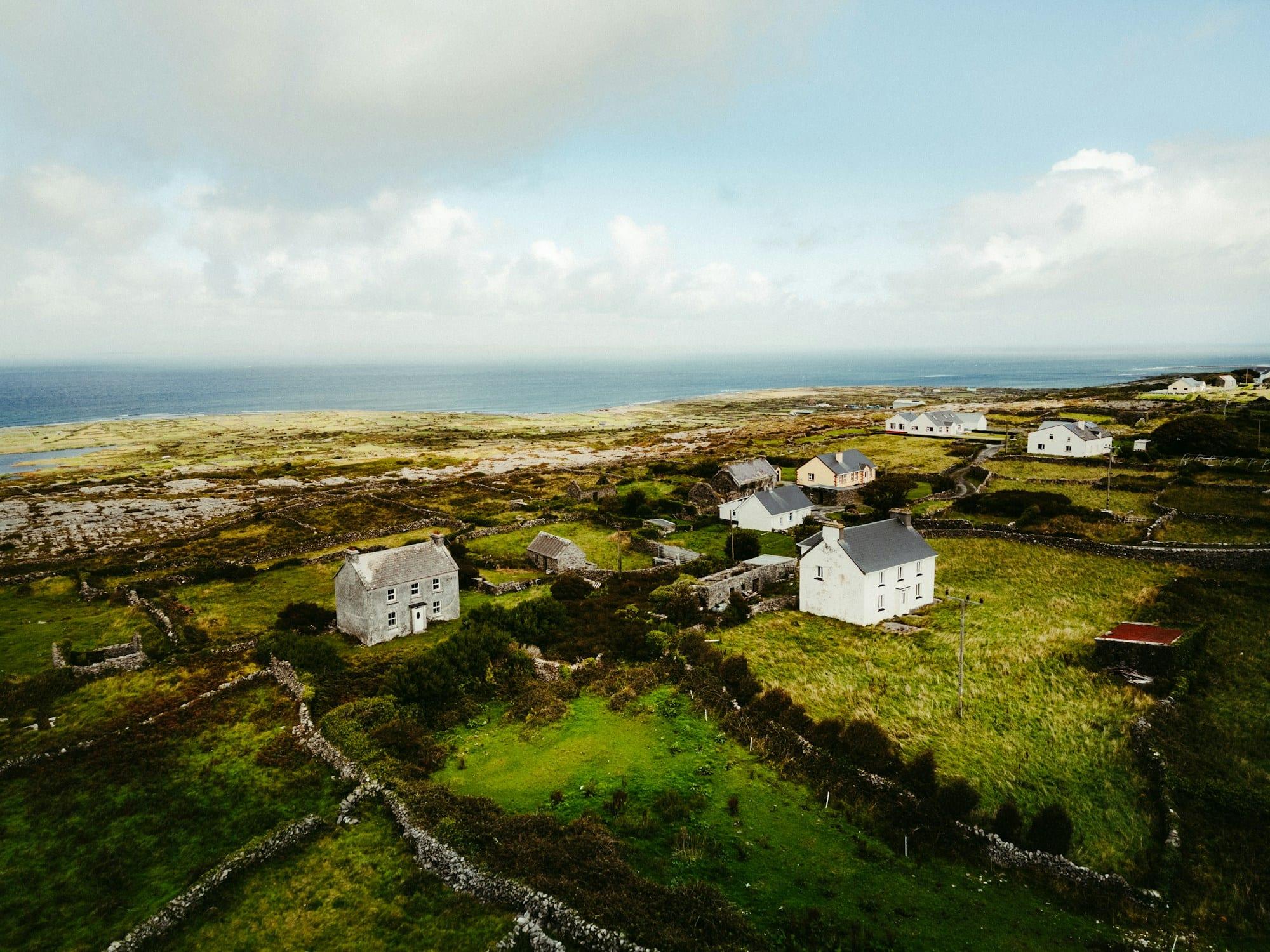
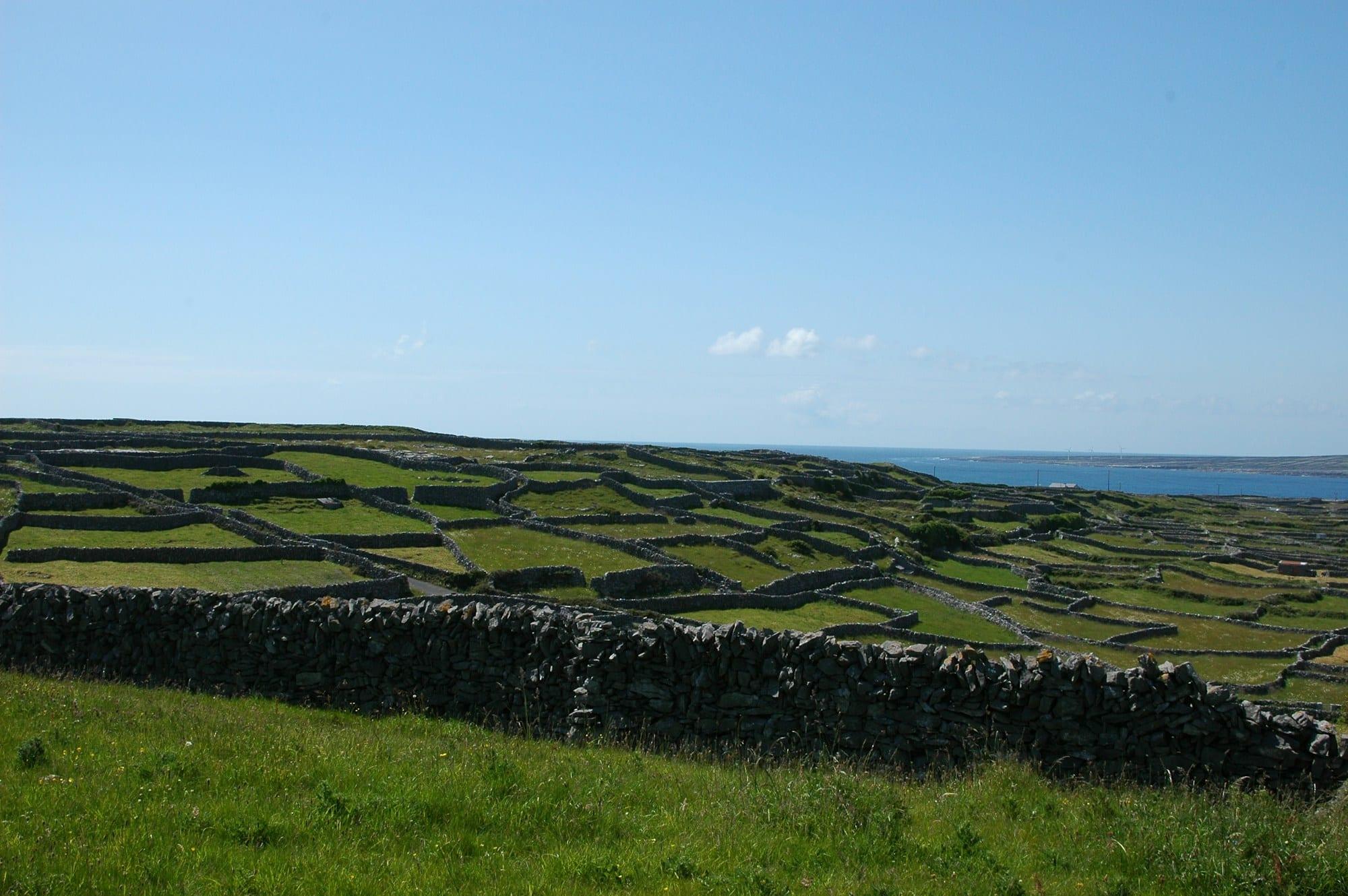
Yes. The National Museum of Ireland notes stone was more available in the north and west and clay in the east and south-east; gable roofs dominated the northern half of the country while thatched hip roofs were mainly in the south and east; and west-coast houses had strong end walls facing the Atlantic, often sheltered in valleys.
- North and west: stone walls, gable roofs, roped thatch over scraw on exposed coasts.
- South and east: more clay walls and hipped thatched roofs, with thrust thatch in lowland Leinster.
- Liscannor, Co. Clare: local sandstone flags were used for roofs, an example the Museum gives of local materials.
Where can you step inside a traditional Irish cottage?
Bunratty Folk Park in County Clare recreates a village and farmhouses across 26 acres, from the poorest one-roomed dwelling to the Georgian Bunratty House. The National Museum of Ireland’s Country Life museum at Turlough Park, near Castlebar in Mayo, has galleries of rural life from 1850 to 1950.
Frequently asked questions
The kitchen and living space at the centre, around the hearth, with a bedroom at one end and often a parlour or good room at the other. Furniture included a dresser for crockery, a settle that was a seat by day and a bed at night, and a press bed that folded away.
An outshot is a small recess built out from the kitchen wall beside the hearth, holding a bed. The National Museum of Ireland notes that grandparents or the eldest family member often slept there to stay warm by the fire.
Walls were coated with limewash, made from lime or, according to the National Museum of Ireland, sometimes from seashells. It protected the wall and was traditionally renewed every year by the owner; one coat lasts roughly a year.
Sources
- 1Traditional Irish Architecture FAQsNational Museum of Ireland, checked November 2026
- 2National Museum of Ireland, Country Life (Turlough Park)National Museum of Ireland, checked November 2026
- 3Bunratty Folk ParkBunratty Castle & Folk Park (Shannon Heritage), checked November 2026
- 4Thatch: A Guide to the Repair of Thatched Roofs (Advice Series)Department of Arts, Heritage and the Gaeltacht, 2015
- 5Irish Landmark Trust: about the charityIrish Landmark Trust, checked November 2026
Checked . Facts change after we check them: confirm prices, rules and opening times with the company or official body before you book. How we check facts · Disclaimer