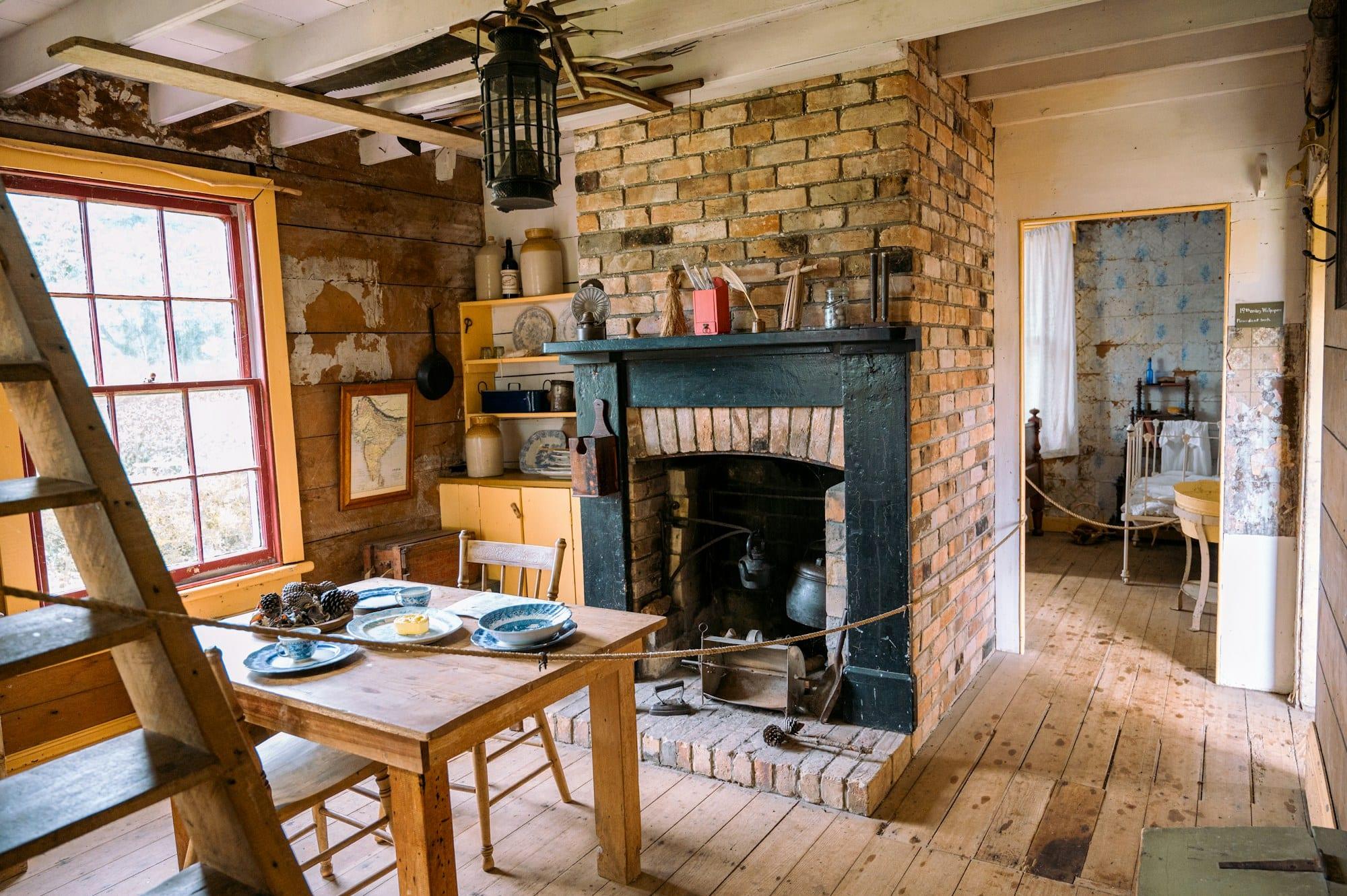

ceannach: Irish for buying
Buying a cottage in Ireland: a basic overview
The short answer
Buying a cottage in Ireland means stamp duty (1% up to €1 million on residential property), conveyancing by an Irish solicitor, and checks on planning, including whether the cottage is a protected structure. For thatch, check insurance early. The Property Price Register shows what nearby homes sold for. This is general information, not legal advice.
Stamp duty, residentialRevenue
On instruments executed on or after 2 October 2024. Each rate applies only to the part of the price in its band.
General information, not legal or tax advice.
What are the steps to buying a cottage in Ireland?
In outline: find the property and check what similar homes sold for, appoint an Irish solicitor, arrange a survey (with a conservation-experienced surveyor for an old or thatched cottage), confirm planning status, agree the price, sign contracts, and pay stamp duty on completion. Mortgages need insurance in place, which can be hard for thatch.
- Research prices on the Residential Property Price Register.
- Appoint a solicitor to handle title, searches and contracts.
- Survey the building, with specialist advice for thatch, earth walls or a protected structure.
- Check planning for any works you have in mind, before you sign.
- Arrange insurance and finance, then complete and pay stamp duty.
How much stamp duty do you pay on a cottage in Ireland?
For residential property, Revenue charges 1% on consideration up to €1 million, 2% on the part over €1 million up to €1.5 million, and 6% on any part over €1.5 million, for instruments executed on or after 2 October 2024. The bands are progressive, so each rate applies only to its slice of the price.
| Part of the price | Rate |
|---|---|
| Up to €1,000,000 | 1% |
| €1,000,000 to €1,500,000 | 2% |
| Over €1,500,000 | 6% |
Source: Revenue, rates for instruments executed on or after 2 October 2024. Different rules apply to bulk purchases and to non-residential land.
Do you need planning permission to renovate a cottage in Ireland?
Often not for minor works, which can be exempted development. But if the cottage is a protected structure, listed on the council’s Record of Protected Structures, works that affect its character may need permission even when they would be exempt elsewhere. A section 5 or section 57 declaration from the council clarifies what needs permission.
Your solicitor should confirm whether the cottage is protected, and whether past works had the permission they needed; if not, retention permission may be required. The National Inventory of Architectural Heritage, at buildingsofireland.ie, often records old cottages, but its entries are not the same as the council’s protected list.
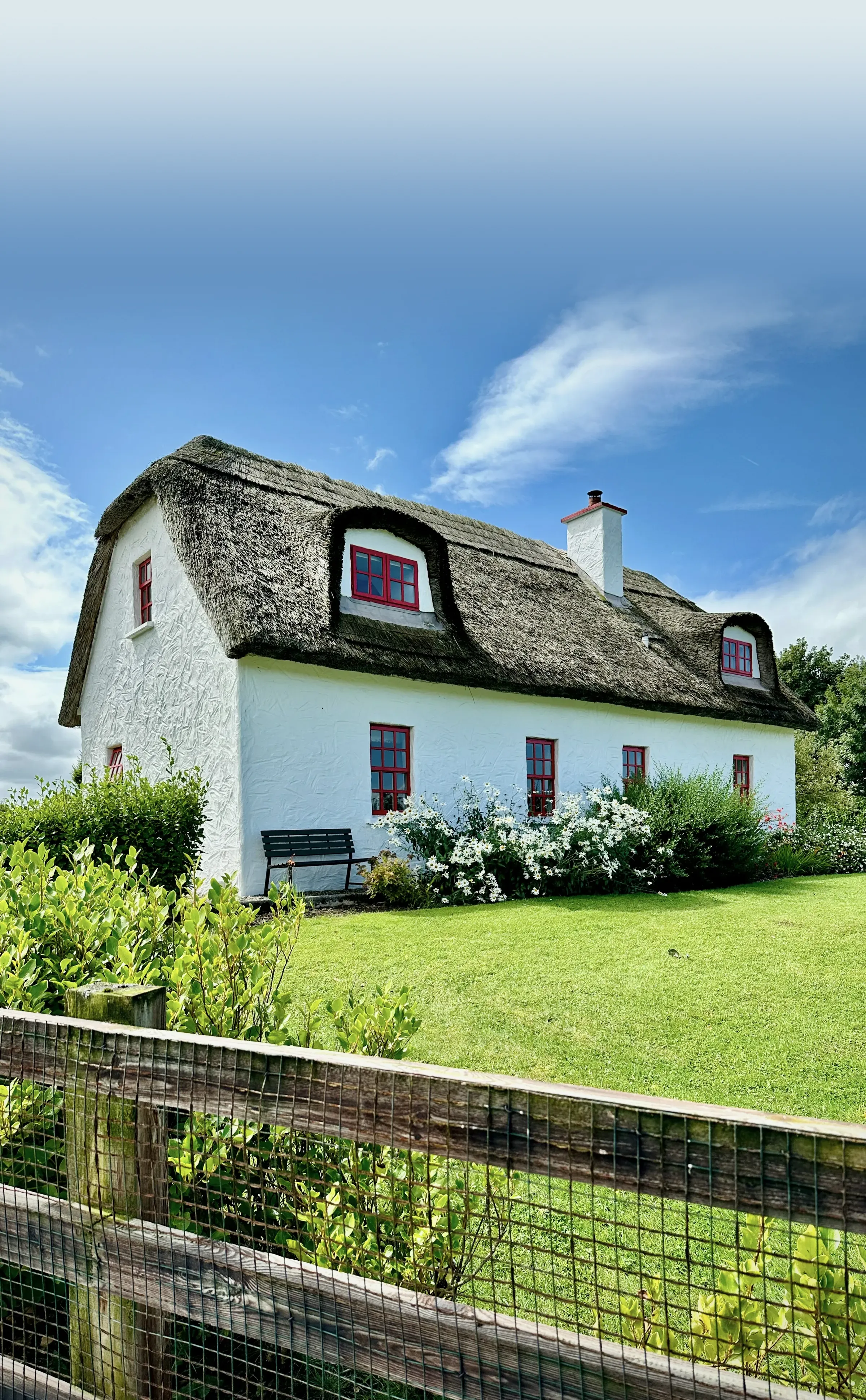
What should you know before buying a thatched cottage?
Check insurance first. The Heritage Council notes some insurers now treat thatch as high risk, and banks will not lend without insurance. Budget for regular re-thatching, ask what heating the house uses (a 2023 Department report found solid-fuel stoves riskier for thatch than open fires), and look at the thatching grants on offer.
The Heritage Council points owners to a Department thatching grant for owner-occupied houses and a ring-fenced €500,000 within the Built Heritage Investment Scheme for historic thatched structures. See the thatched cottage guide for materials and methods.
What is the Property Price Register?
The Residential Property Price Register is a public record, published by the Property Services Regulatory Authority, of the date, price and address of every residential sale declared to Revenue for stamp duty since 1 January 2010. It is not a price index, gives no floor area or room count, and shows new-home prices without VAT.
Frequently asked questions
Revenue's residential rates for instruments executed on or after 2 October 2024 are 1% on the price up to €1 million, 2% on the part between €1 million and €1.5 million, and 6% on anything above €1.5 million. Separate, higher rates apply to bulk purchases of ten or more homes.
Guides for overseas buyers say there are no general legal restrictions on foreigners buying residential property in Ireland, but you will need an Irish solicitor for the conveyancing and should take tax advice in both countries. Planning rules for building new rural houses can be stricter than for buying an existing one.
Use the Residential Property Price Register, run by the Property Services Regulatory Authority. It lists the date, price and address of residential sales declared to Revenue since 1 January 2010. It does not give floor area or rooms, and it is not a price index.
Sources
- 1Stamp Duty rates on residential propertyRevenue, rates for instruments executed on or after 2 October 2024
- 2Residential Property Price RegisterProperty Services Regulatory Authority, records from 1 January 2010
- 3A Guide to Planning Permission (Planning Leaflet 3)Kildare County Council, checked November 2026
- 4A Guide to Architectural Heritage (Planning Leaflet 12)Kildare County Council, checked November 2026
- 5National Inventory of Architectural Heritage: guidanceDepartment of Housing, Local Government and Heritage, checked November 2026
- 6Thatched properties: advice and guidanceThe Heritage Council, checked November 2026
- 7Report on Insurance and Fire Safety in Thatched PropertiesDepartment of Housing, Local Government and Heritage, November 2022
Checked . Facts change after we check them: confirm prices, rules and opening times with the company or official body before you book. How we check facts · Disclaimer