tuí: Irish for thatch
The Irish thatched cottage: history, materials and the thatcher's craft
The short answer
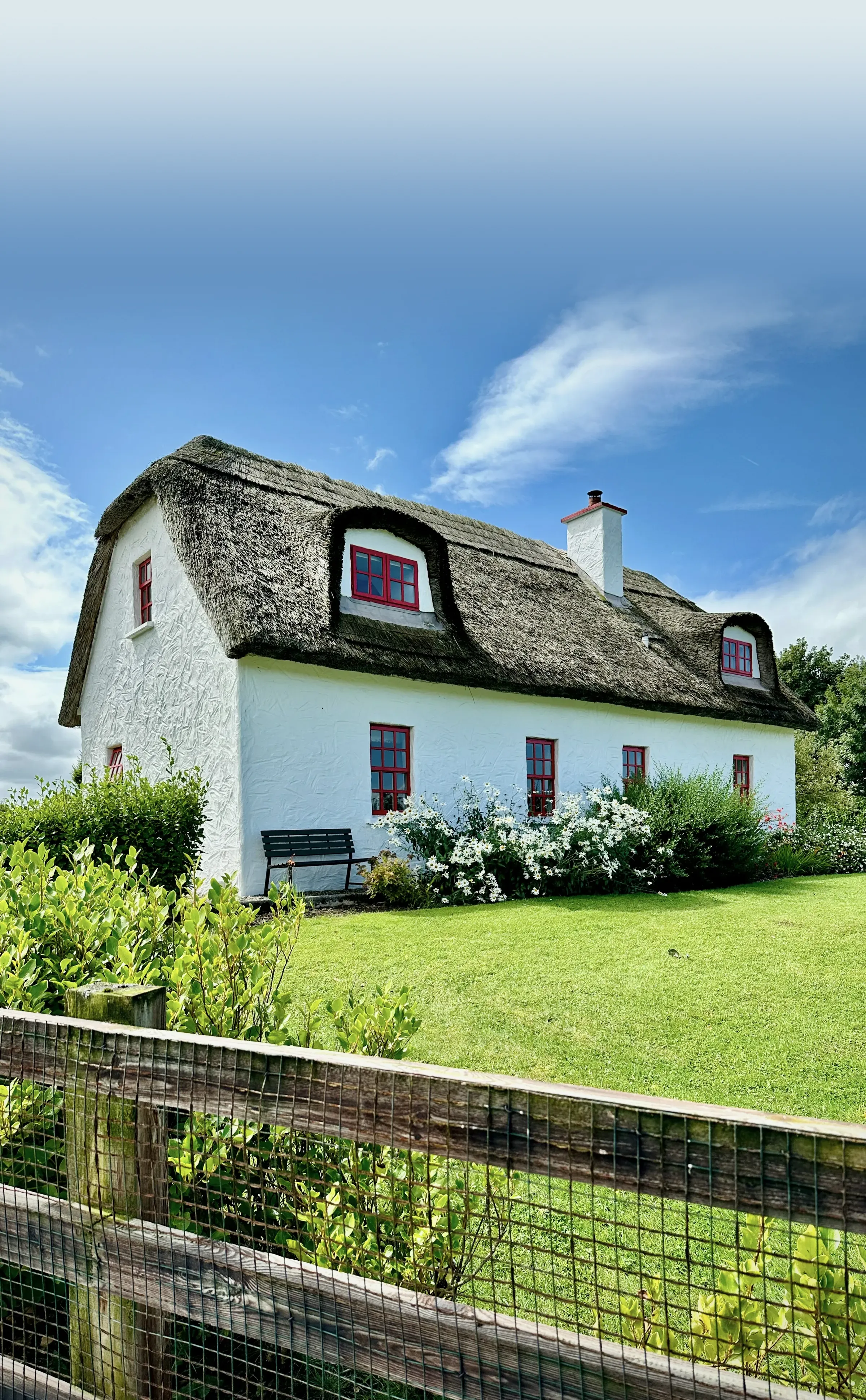
Thatch was Ireland’s main roof covering until the seventeenth century. Today close to 3,000 thatched buildings survive in the Republic and about 175 in Northern Ireland, mostly single-storey farmhouses. Their roofs are wheat, oat or rye straw or water reed, pinned with hazel scollops, roped in the windy west.
Surviving thatch
c. 3,000thatched buildings in the Republic of Ireland
- c. 175in Northern Ireland
- 45° or moreusual roof pitch
- up to 20 yrsgood wheat straw
What are the parts of an Irish thatched cottage?
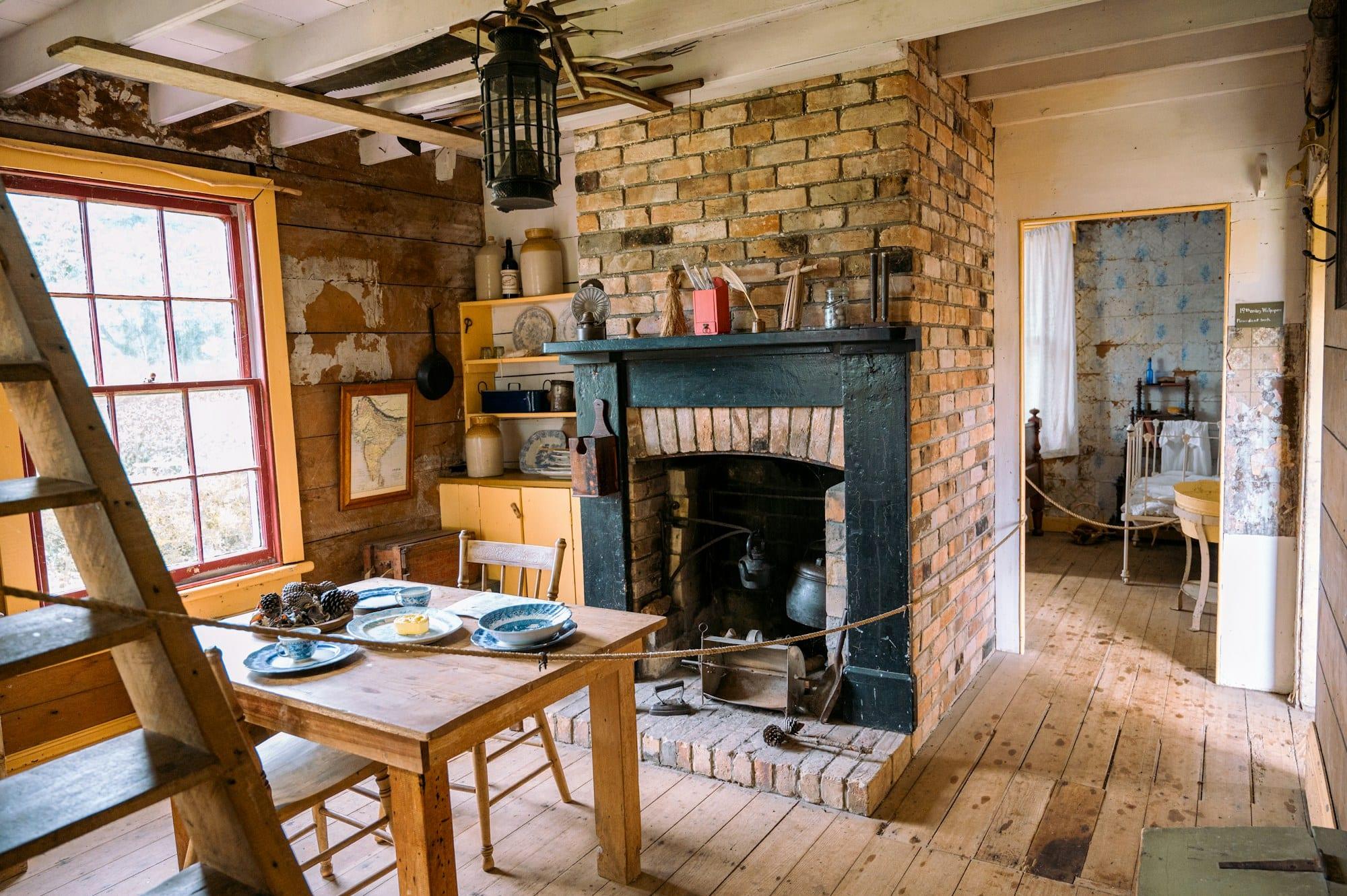
From the top: the thatch itself, pinned with scollops and finished at the ridge; in the west and north a layer of sod called scraw beneath it; limewashed walls of stone or earth; small windows; a half-door; and chimneys at the gables or over a central hearth. Turn the model below and pick a number.
Half-door
A door split across the middle: the top leaf opens for light and air while the bottom leaf stays shut.
How old is the Irish thatched cottage?
According to the Department’s 2015 guide, thatch was the dominant roof covering in Ireland from earliest times until the seventeenth century. It gave way to slate and tile in towns in the eighteenth and nineteenth centuries and later in the countryside, so most thatch that survives is on small rural houses.
Thatch was once used on far more than cottages: the same guide lists tower houses, churches, urban terraces and small industrial buildings. The roof was usually repaired every year by the family, often helped by neighbours, with straw from their own harvest.
What is Irish thatch made from?
Mostly straw (wheat, oat and sometimes rye) or water reed. In 1945, wheat was preferred over much of Ireland for its durability, oat was second but more widespread in the west, flax was common in the north, and water reed was best represented in Munster. Rushes, heather and marram grass were used too.
| Material | Where and how | Life on a roof |
|---|---|---|
| Wheat straw | Preferred over much of Ireland in 1945, especially in the cereal-growing south and east. | Up to twenty years if well threshed and well thatched |
| Oat straw | Second to wheat, but more widespread, notably in western counties. | Ten years at most |
| Rye straw | Grown for thatch on lighter soils in the western half of Ireland. | Compares well with wheat; supply is now scarce |
| Water reed | Best represented in Munster in 1945, cut from river banks and estuaries; imported since the 1950s. | Longer-lived, which is why imports grew |
| Flax, rushes, marram | Flax in the north with the linen industry; rush in the west; marram on the Mayo and Donegal coast. | Shorter-lived |
Source: Thatch: A Guide to the Repair of Thatched Roofs, DAHG 2015, drawing on the Irish Folklore Commission’s 1945 questionnaire.
What are the main Irish thatching methods?
In 1945 scolloped thatch, pinned with straight and hairpin-shaped rods of hazel or willow, was by far the most common. Thrust thatch, with knotted handfuls of straw pushed into the base coat, dominated lowland Leinster. Roped thatch, tied down with a net of ropes against the wind, belonged to the Atlantic fringes of the west and north.
- Scolloped. The weathering coat is pinned into the base coat with scollops; rows of rods called stretchers often show at the eaves and ridge.
- Thrust (or sliced). Knotted handfuls of straw are thrust firmly into the older layers, so a roof is a record of many past thatchings.
- Roped. In exposed coastal districts of the north and west, an external network of ropes runs over the thatch, tied to fixings in the walls below.
- Stapple. An exceptional method that appeared to be restricted to south-east Ulster.
Under the thatch, the north and west used scraw: sods about 20 to 30 mm thick, laid grassy side up, which insulate, give the scollops a grip and resist fire. In much of the east, a thick base coat of straw was tied straight to the roof timbers instead.
Is the thatched cottage disappearing?
A 2005 report for the Heritage Council’s steering group found historic thatch being lost at an accelerating rate, citing a fragmented trade, lost knowledge of materials and conflicting policies. Short-stemmed modern cereals and machine threshing have made good thatching straw scarce, and insurance has become a real hurdle for owners.
The Heritage Council has funded county thatch surveys, awarded €80,000 to 15 projects under a Thatch Conservation Grant Scheme in 2017, and points owners to a Department thatching grant and a ring-fenced €500,000 within the Built Heritage Investment Scheme. It also notes that some insurers now see thatch as high risk, which affects mortgages and sales.
Where can you see a traditional thatched cottage in Ireland?
Bunratty Folk Park in County Clare has over 30 buildings on 26 acres, from a one-room dwelling to a Georgian house. The National Museum of Ireland’s Country Life museum near Castlebar shows rural life from 1850 to 1950. Many thatched cottages are also let as holiday homes across the island.
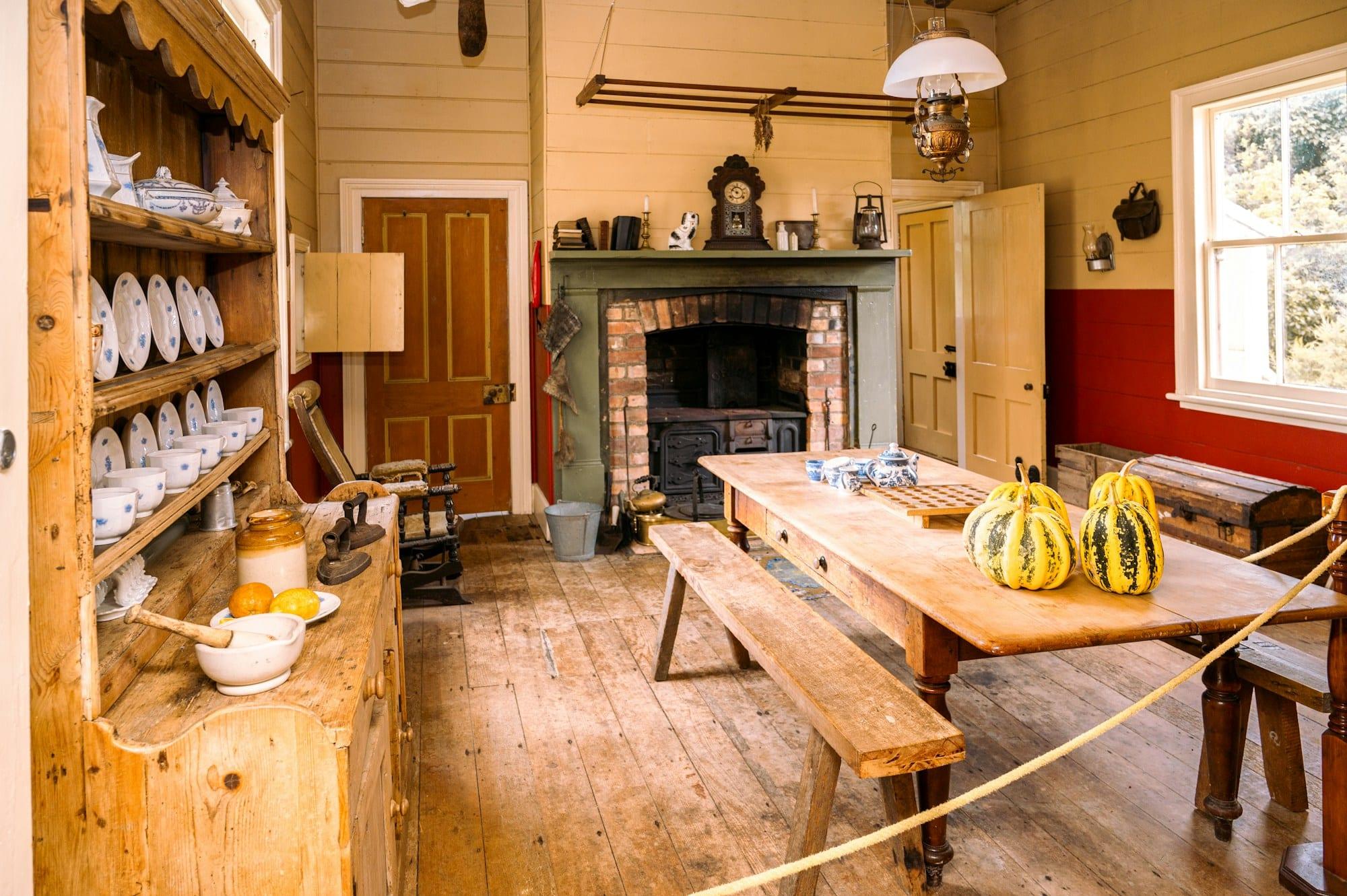
The National Inventory of Architectural Heritage, at buildingsofireland.ie, records individual thatched houses county by county with photographs. Our guide to the inside of a traditional cottage covers the hearth, the half-door and the settle bed.
Frequently asked questions
It depends on the material and the weather. The Department's 2015 guide says good-quality, carefully threshed wheat straw thatched to a good standard should last up to twenty years, while oat straw lasts ten years at most. Roof pitch matters too: thatch is usually laid at 45 degrees or steeper.
Today mostly wheat, oat and sometimes rye straw, or water reed. In the past thatchers also used sedges, rushes, heather, mountain and marram grass, and flax in the north. A 1945 national questionnaire found wheat preferred over much of Ireland, with oat more common in the west.
Yes. The Heritage Council lists a Department of Housing thatching grant for owner-occupied thatched houses, a ring-fenced €500,000 within the Built Heritage Investment Scheme for historic thatched structures, and local schemes such as Donegal County Council's annual grant. Check current terms with your local authority.
Thatched cottages are let as holiday homes all over Ireland. A 2023 Department report found that solid-fuel stoves pose a greater fire risk to thatch than other heating, including open fires, and the Heritage Council advises owners not to use them. Ask the owner about heating and smoke alarms.
Sources
- 1Thatch: A Guide to the Repair of Thatched Roofs (Advice Series)Department of Arts, Heritage and the Gaeltacht, 2015
- 2Report on the Present and Future Protection of Thatched Structures in Ireland: Executive SummaryConsarc Conservation Architects for the Heritage Council steering group, August 2005
- 3Thatched properties: advice and guidanceThe Heritage Council, checked November 2026
- 4Report on Insurance and Fire Safety in Thatched PropertiesDepartment of Housing, Local Government and Heritage, November 2022
- 5Traditional Irish Architecture FAQsNational Museum of Ireland, checked November 2026
- 6Bunratty Folk ParkBunratty Castle & Folk Park (Shannon Heritage), checked November 2026
- 7National Museum of Ireland, Country Life (Turlough Park)National Museum of Ireland, checked November 2026
- 8National Inventory of Architectural Heritage: guidanceDepartment of Housing, Local Government and Heritage, checked November 2026
Checked . Facts change after we check them: confirm prices, rules and opening times with the company or official body before you book. How we check facts · Disclaimer